

01 Jul What Is Plaque?
What is plaque? Plaque is one of the most common causes of dental problems. You may hear dentists talk about it during cleanings, checkups, or cavity discussions. But many people do not know exactly what plaque is or why it matters. Plaque is a sticky film that forms on your teeth every day. It contains bacteria, food particles, and saliva. At first, plaque may not seem like a big problem. It is often soft and hard to see. But if it is not removed, it can lead to cavities, gum disease, bad breath, and tartar buildup. With that in mind, this article explores the question “What is plaque?” and five important things to know about plaque.
What is Plaque? Plaque Is a Sticky Film of Bacteria
Plaque is a soft, sticky layer that forms on the surface of your teeth. It builds up when bacteria in your mouth mix with food particles and saliva. Everyone gets plaque. It is not something that only happens to people with poor dental habits. The problem is not that plaque exists. The problem is what happens when it stays on your teeth too long. The bacteria in plaque feed on sugars and starches from the foods you eat. As they feed, they produce acids.
These acids can weaken tooth enamel and lead to cavities. Plaque often forms along the gumline, between teeth, and around the back molars. These areas are harder to clean, so plaque can collect there more easily. You may feel plaque as a fuzzy or sticky coating on your teeth, especially if you have not brushed in several hours. Because plaque forms every day, removing it must be part of your daily routine. Brushing once in a while is not enough. Plaque control works best when it is consistent.
Plaque Can Cause Cavities
One of the biggest dangers of plaque is tooth decay. When plaque bacteria produce acid, that acid attacks the enamel. Enamel is the hard outer layer that protects your teeth. It is strong, but it is not indestructible. If acid attacks happen often, enamel begins to lose minerals. This weakens the tooth. Over time, a small weak spot can turn into a cavity. At first, you may not feel anything. Many cavities begin without pain. But as decay gets deeper, you may notice sensitivity, discomfort, or a toothache.
Sugary snacks and drinks make this process worse. Candy, soda, cookies, sweet tea, and juice give plaque bacteria more fuel. Sticky foods can be especially harmful because they stay on the teeth longer. This doesn’t mean you can never eat sugar. But it does mean you should be careful about how often your teeth are exposed to it. Drinking water, brushing regularly, and limiting constant snacking can help reduce plaque’s effect on enamel. If plaque is removed daily, bacteria have less time to damage your teeth.
Plaque Can Irritate Your Gums
Plaque not only affects teeth. It can also harm your gums. When plaque builds up near the gumline, it irritates the gum tissue. This can cause redness, swelling, tenderness, and bleeding. The early stage of gum disease is called gingivitis. Gingivitis is common, and it often begins with plaque buildup. You may notice blood when brushing or flossing. Your gums may look puffy or feel sore. Some people also notice bad breath.
Thankfully, gingivitis can often be reversed with better brushing, daily flossing, and dental cleanings. But if plaque remains on the teeth, gum problems can get worse. Gingivitis can develop into periodontitis, a more serious form of gum disease. Periodontitis can damage the tissues and bone that support your teeth. Over time, this may lead to gum recession, loose teeth, or tooth loss. That is why plaque control is so important. Healthy gums help protect and support your teeth.
Plaque Can Harden Into Tartar
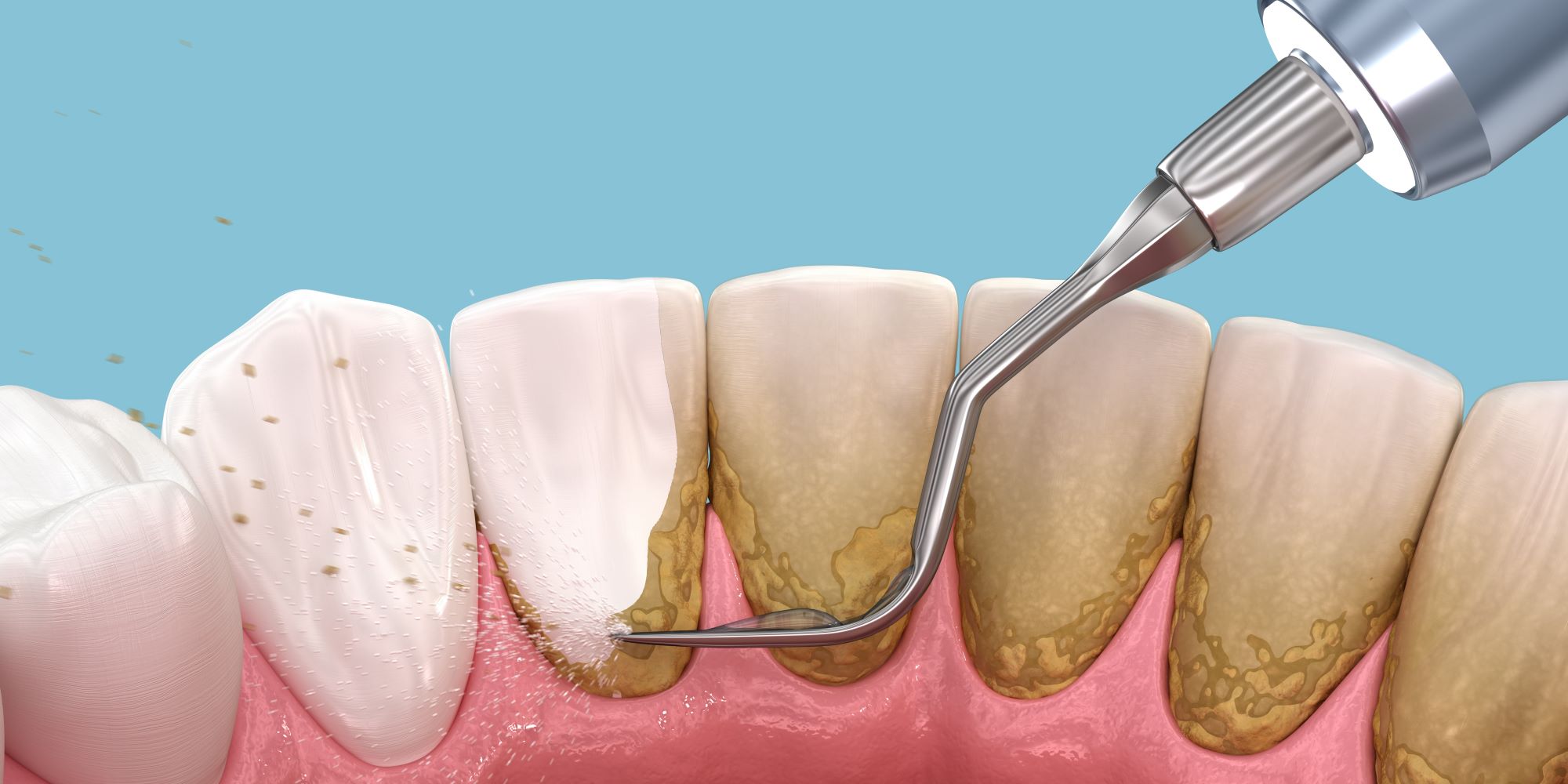
Plaque is soft at first. That means you can remove it with brushing and flossing. But if plaque is left alone, it can harden into tartar. Tartar is also called calculus. Tartar is much harder to remove than plaque. Once it forms, you cannot brush it away at home. A dentist or dental hygienist must remove it with special tools during a cleaning. Tartar often appears yellow or brown. It can form along the gumline or between teeth.
It may make teeth look stained or dirty. More importantly, tartar gives plaque a rough surface to stick to, which can make buildup even worse. Tartar can also irritate the gums and increase the risk of gum disease. The longer it stays there, the more difficult it can be to manage your oral health. The best way to prevent tartar is to remove plaque before it hardens. Brush twice a day. Floss once a day. Visit your dentist regularly for cleanings. These simple habits can stop plaque from turning into a bigger problem.
Plaque Can Be Controlled With Daily Habits
Plaque forms every day, but you can control it. The most important step is brushing your teeth twice daily with fluoride toothpaste. Fluoride helps strengthen enamel and protect against cavities. Use a soft-bristled toothbrush and brush gently. Make sure you clean every surface of your teeth. Pay attention to the gumline and the back teeth. Brushing should take about two minutes. Flossing is just as important. A toothbrush cannot fully clean between teeth.
Floss removes plaque and food particles from those tight spaces. If regular floss is difficult, try floss picks or small interdental brushes. Drinking water also helps. Water rinses away food particles and helps keep the mouth cleaner between brushings. Limiting sugary snacks and drinks can also reduce the amount of acid produced by plaque bacteria. Regular dental visits are another key part of plaque control. Even with good home care, some plaque and tartar can build up in hard-to-reach areas. Professional cleanings help keep your mouth healthy and catch problems early.
Conclusion: What Is Plaque?
So, what is plaque? Plaque is a sticky film of bacteria that forms on your teeth every day. It may seem harmless at first, but it can cause serious problems if it is not removed. Plaque can lead to cavities, gum irritation, gingivitis, tartar buildup, and bad breath. The best way to fight plaque is through simple daily care. Brush twice a day. Floss once a day. Drink water often. Limit sugary foods and drinks. See your dentist for regular cleanings. Plaque is normal, but letting it build up is risky.
After exploring the question of “What is plaque?” the next step is scheduling a dental appointment to ensure your teeth don’t have problematic levels of plaque. Hiawassee Family Dental is accepting new patients and invites you to schedule an appointment with us today!

About Our Team
Our excellent team here at Hiawassee Family Dental have served the community with quality dental care for over 30 years. We’re passionate about superior patient care and education.
Contact us to schedule your next appointment!
Sorry, the comment form is closed at this time.